
grinding media information list
One collection of ore type, mill, mine delivery, current medium, grinding media control, energy consumption, particle size, production and delivery requirements.
Read full articleOne collection of ore type, mill, mine delivery, current medium, grinding media control, energy consumption, particle size, production and delivery requirements.
Read full article
It is recommended that the composition, dimensions, appearance, surface and heart hardness, impact/fall and batch traceability information be checked.
Read full article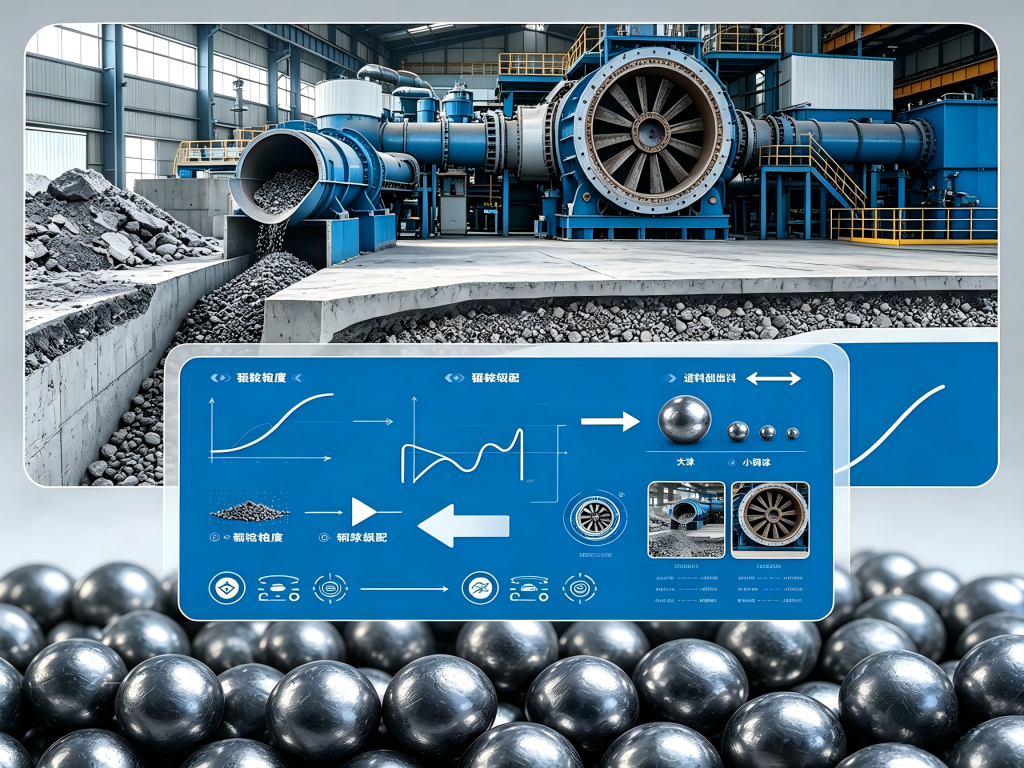
The changes in the granular and product particle sizes are confirmed and the refill specifications and ratios are adjusted in stages to avoid one-time large changes.
Read full article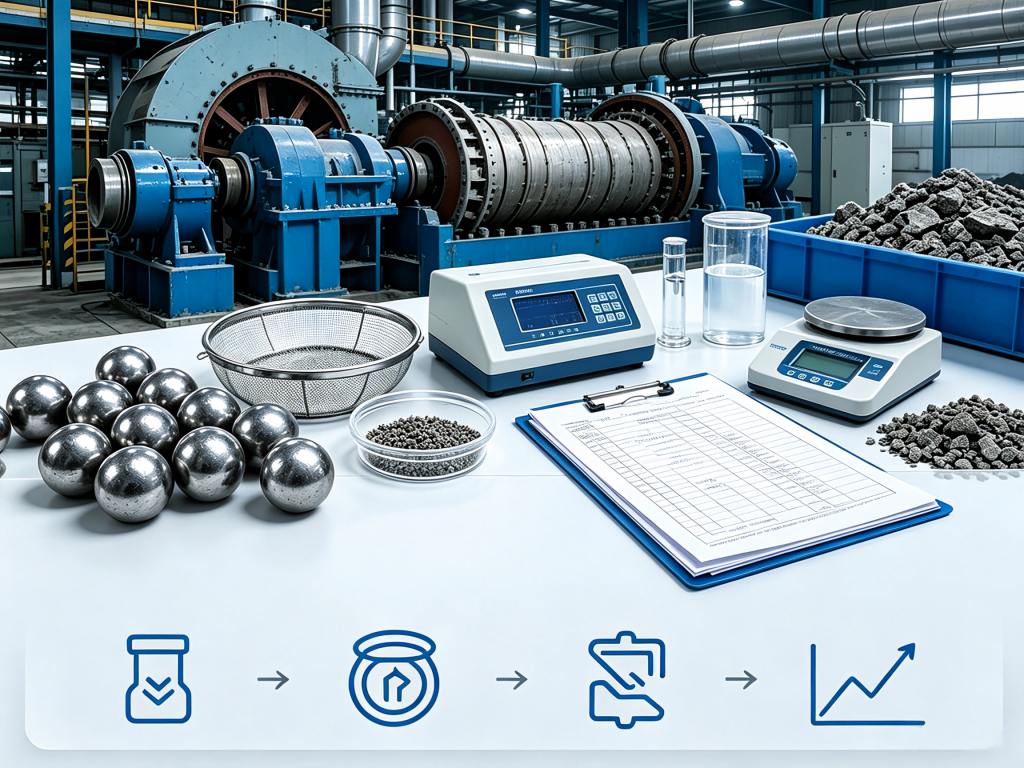
(c) To unify the mine, operation and statistical caliber, covering the full grinding cycle, while recording the grinding media consumption, particle size, yield and abnormal shutdown.
Read full article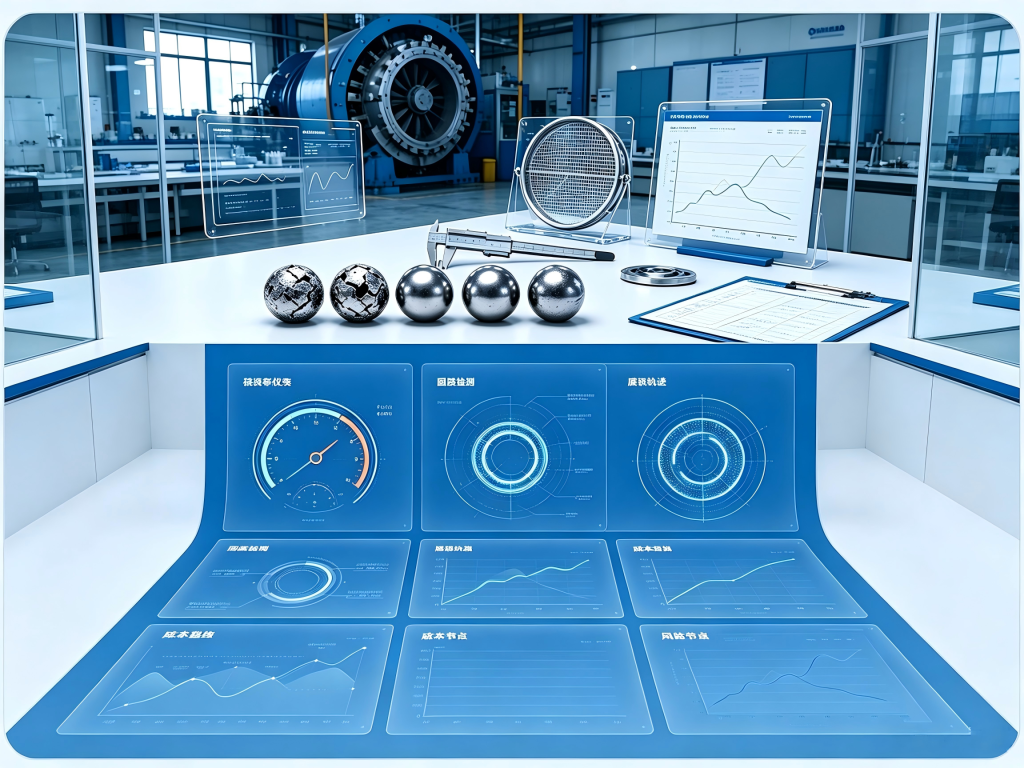
In addition to the unit price of the medium, the cost of invalid filling, cleaning of the shutdown, Initial mill fill risk and refill management is also included.
Read full article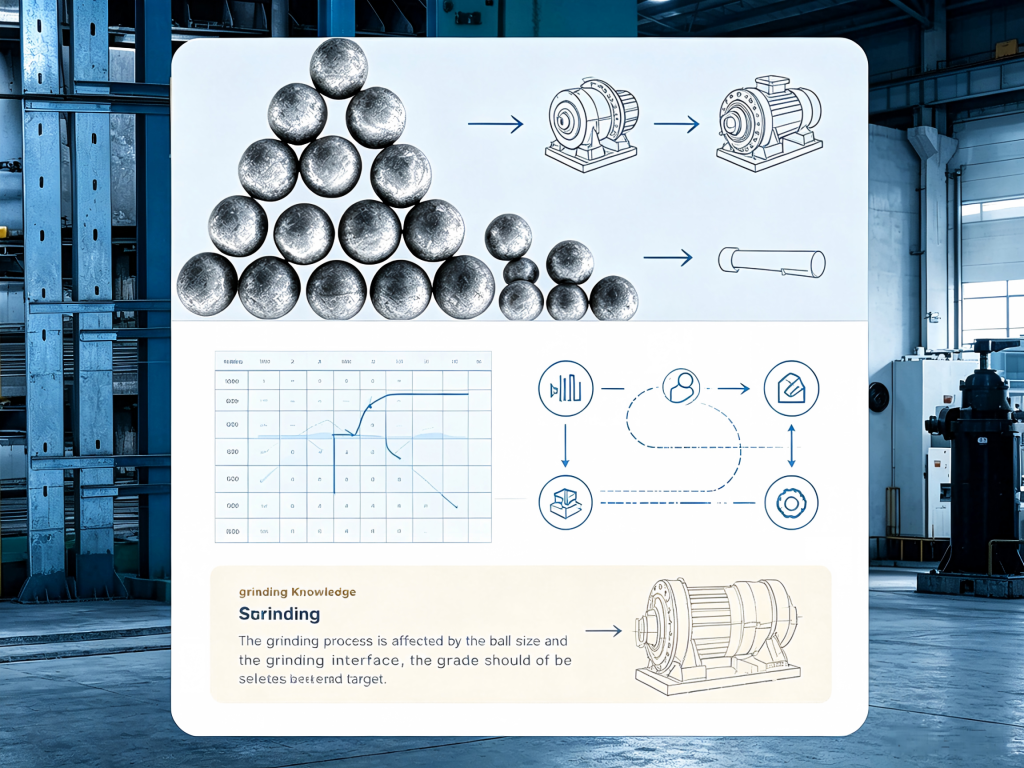
The composition design must be in conjunction with Heat treatment, and a single element content does not represent the end-use performance.
Read full article
The impact of a depression, fall and centrifugal state is different from that of grinding, and requires a combination of rotation, filling rates and Initial mill fill.
Read full article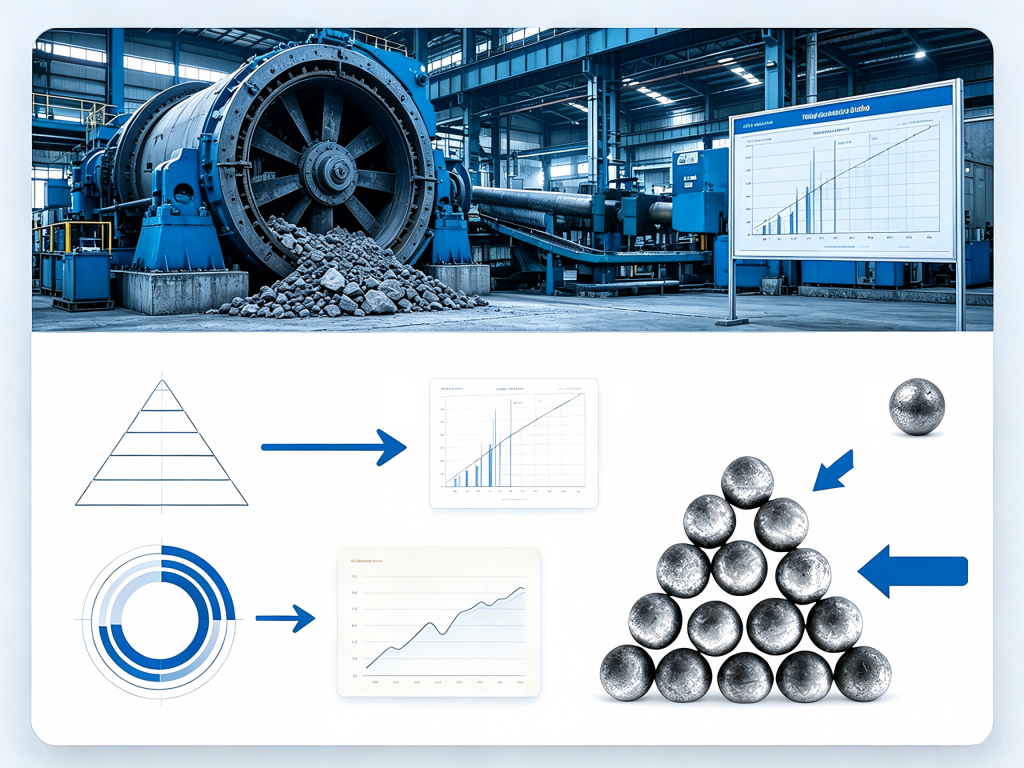
The ball provides a shock, and the ball increases the grinding surface; the grade pair should be adjusted for the grinding particle and target detail.
Read full article
Ball size should be selected from feed size, ore competence, mill geometry, ball charge, liner profile, and observed breakage—not from mill diameter alone.
Read full articleMore notably, the cost of integrated media, abnormal risks and continuous supply capacity in throughput units are more comparable.
Can the logic of matching ore, mill and product materials, specifications, hardness and grade be described?
Availability of batch data and traceable records for components, dimensions, hardness, impact or drop.
Clear pilot programmes, baseline data, record-keeping cycles and mechanisms for handling anomalies are in place.
• Whether it is stated that the clean-up capacity, delivery, packaging, transport, safe storage and emergency replenishment arrangements are in place.
(c) Obtaining optional checklists, testing validation templates and quality report templates to provide data support for product selection and on-site validation.
Ore type, mill size, current medium, grinding media regulation, energy consumption, particle size and downtime problems.
Help clients to keep track of trial cycles, contrast calibration, refill data, break rate and output changes.
Displays Include chemical composition, hardness, impact and drop-test results, dimensions, and batch traceability.